Designing the Patient Experience for a New Care Model
Designed the patient app and shaped the end-to-end customer experience across IntuneHealth, ChenMed's preventive primary care model for adults 65+, from digital pre-screening and the Total Health Visit through in-clinic check-in.
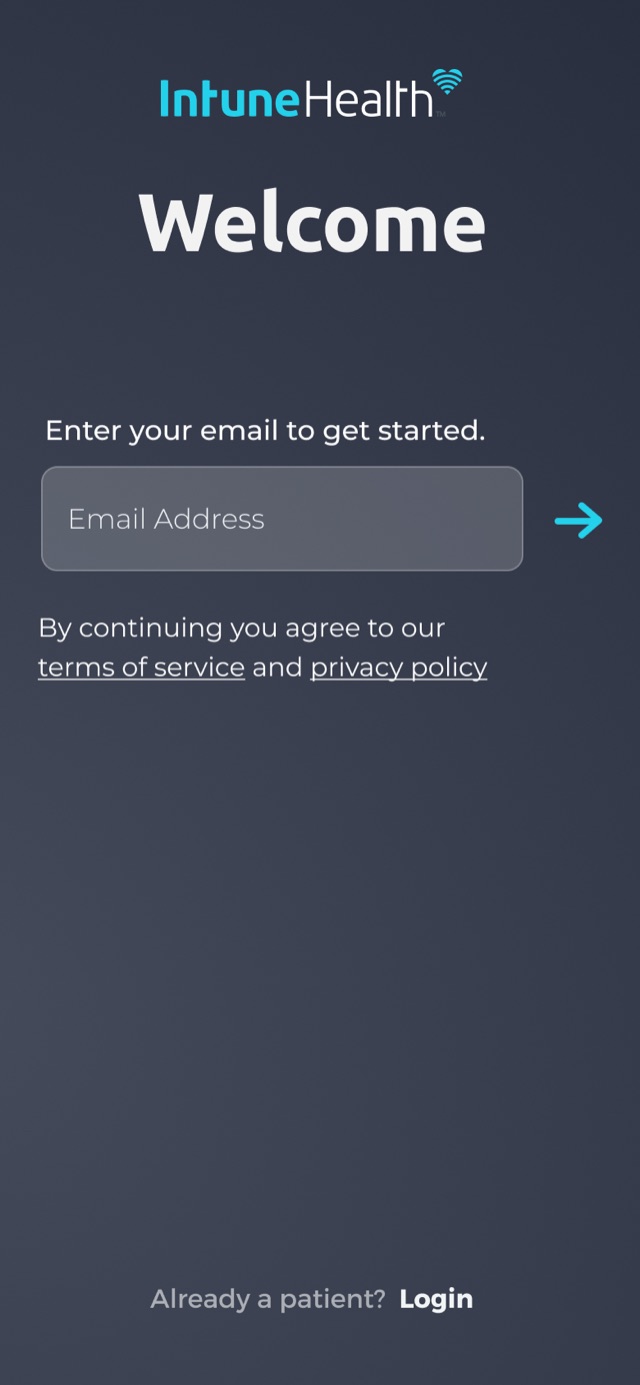
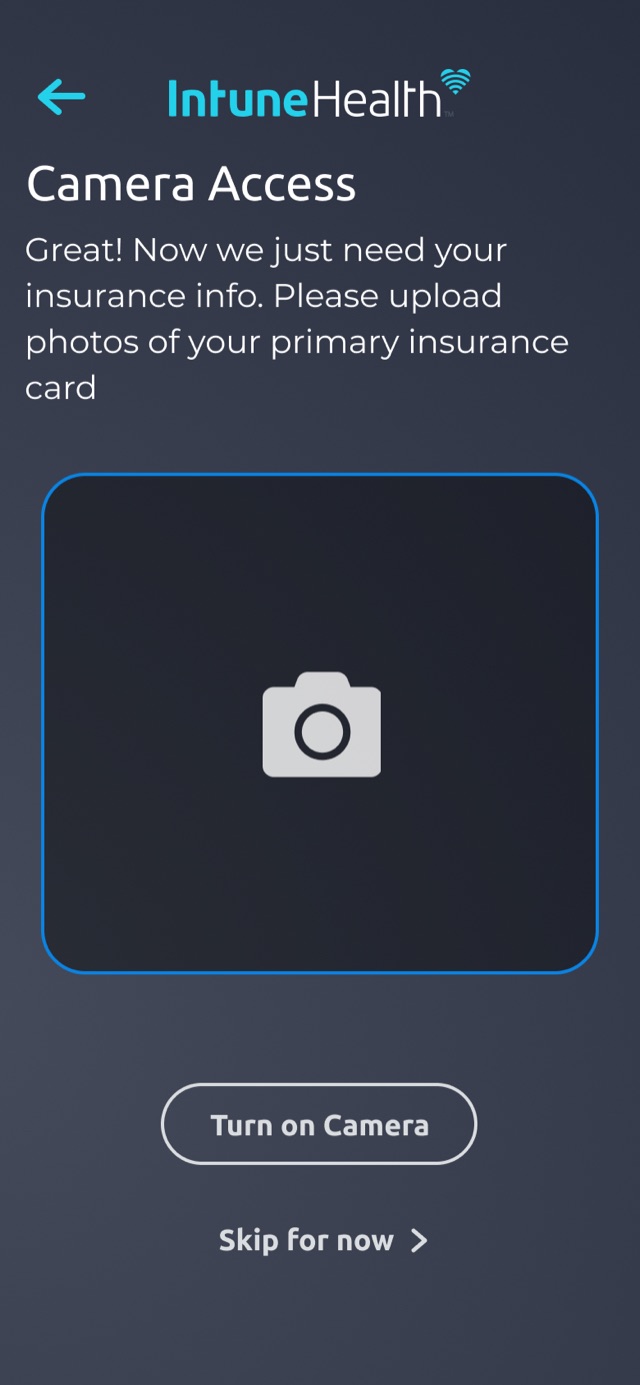
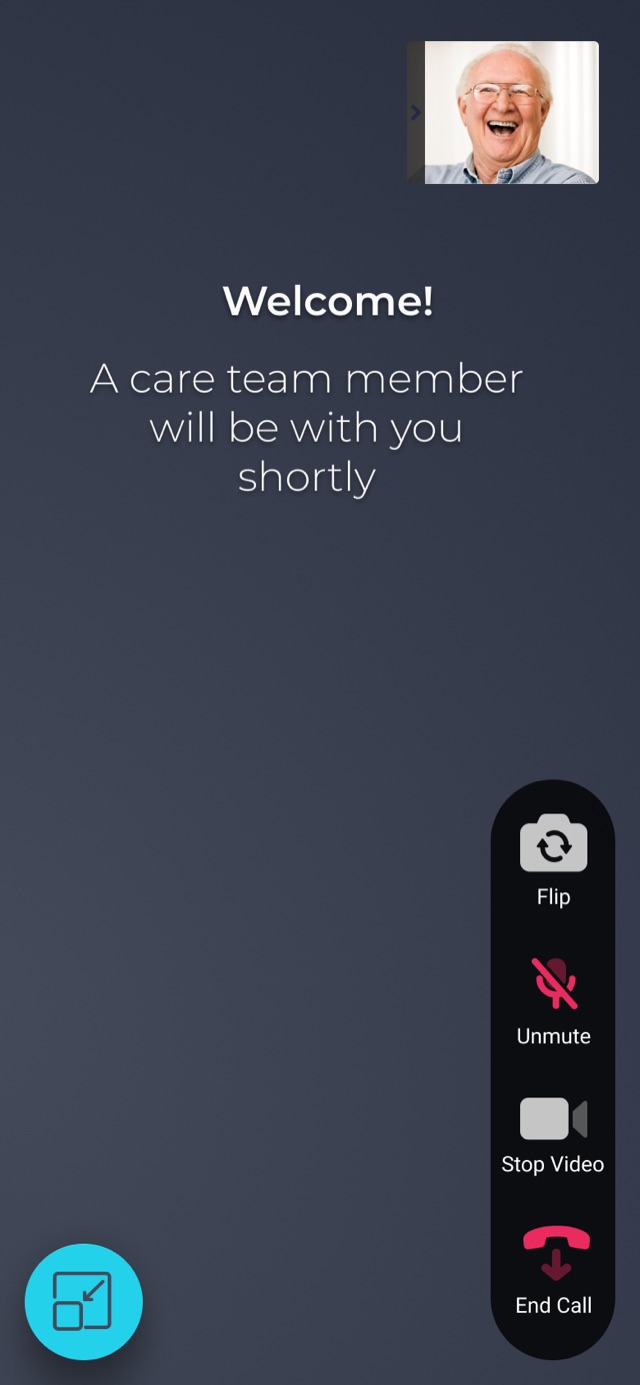
A new care model that needed a new experience to match.
ChenMed launched IntuneHealth as a preventive primary care brand for adults 65+. The vision was proactive, personalized medicine that keeps people healthy and out of the ER, not care that maximizes billed visits. Delivering that vision required an experience that ran across digital and physical touchpoints, worked for seniors on their terms, and made the care team's job easier.
I joined pre-launch as lead designer on a three-person team and helped shape the customer experience end to end: the patient app, the Total Health Visit flow, in-clinic check-in, and the pre-visit screenings that moved into the app so patients spent less time on paperwork and more time with their doctor.
Learn the model from inside the clinic
Shadowed care teams and interviewed patients to map how care actually happens: the handoffs, the paperwork, and the moments where the model succeeded or leaked.
Design the experience across surfaces
Reframed the work from "app project" to "customer experience for a care model." The digital surface, the clinic touchpoints, and the flow between them were all one experience.
Move paperwork into the app
Designed pre-visit screenings that let patients complete parts of intake before arriving, cutting in-clinic screening time and freeing the visit for the actual care conversation.
Ship at launch, iterate against outcomes
Rolled out with the launch of IntuneHealth and iterated post-launch, instrumenting engagement and correlating it with health outcomes the model was built to move.
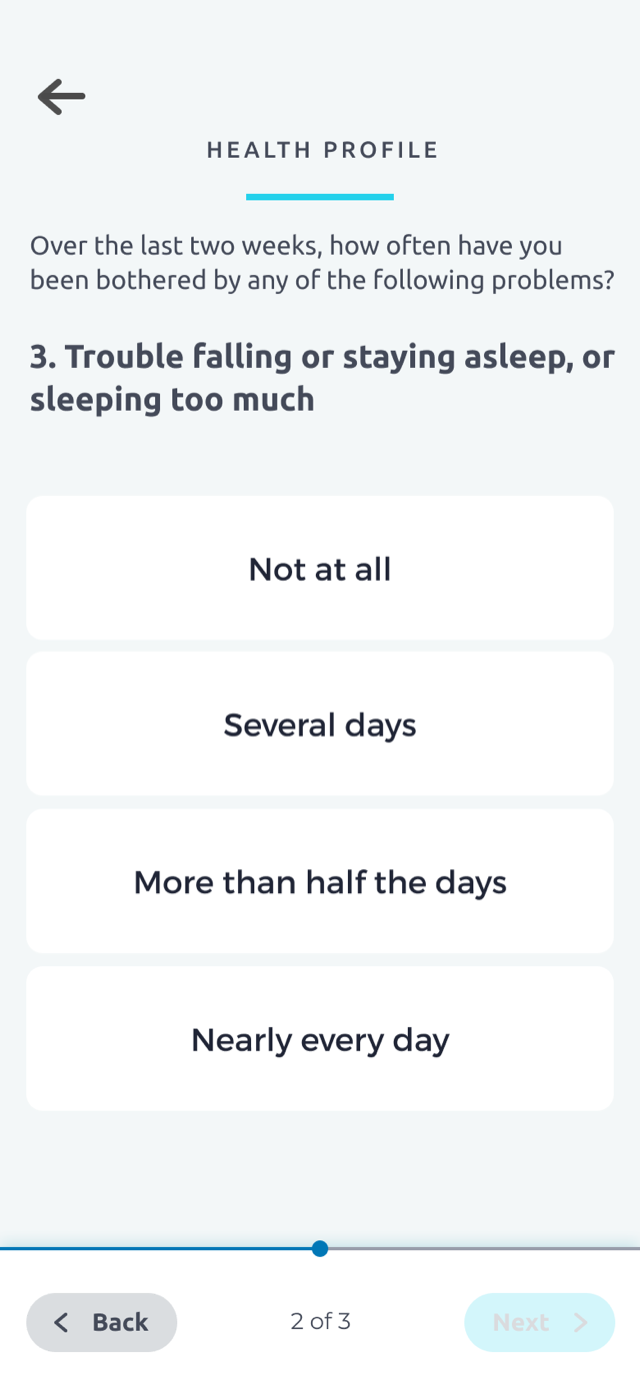
Screen before you sit down
Moved parts of intake into the app so patients arrive already partway through the visit. The clinic time is for the care conversation, not the clipboard.
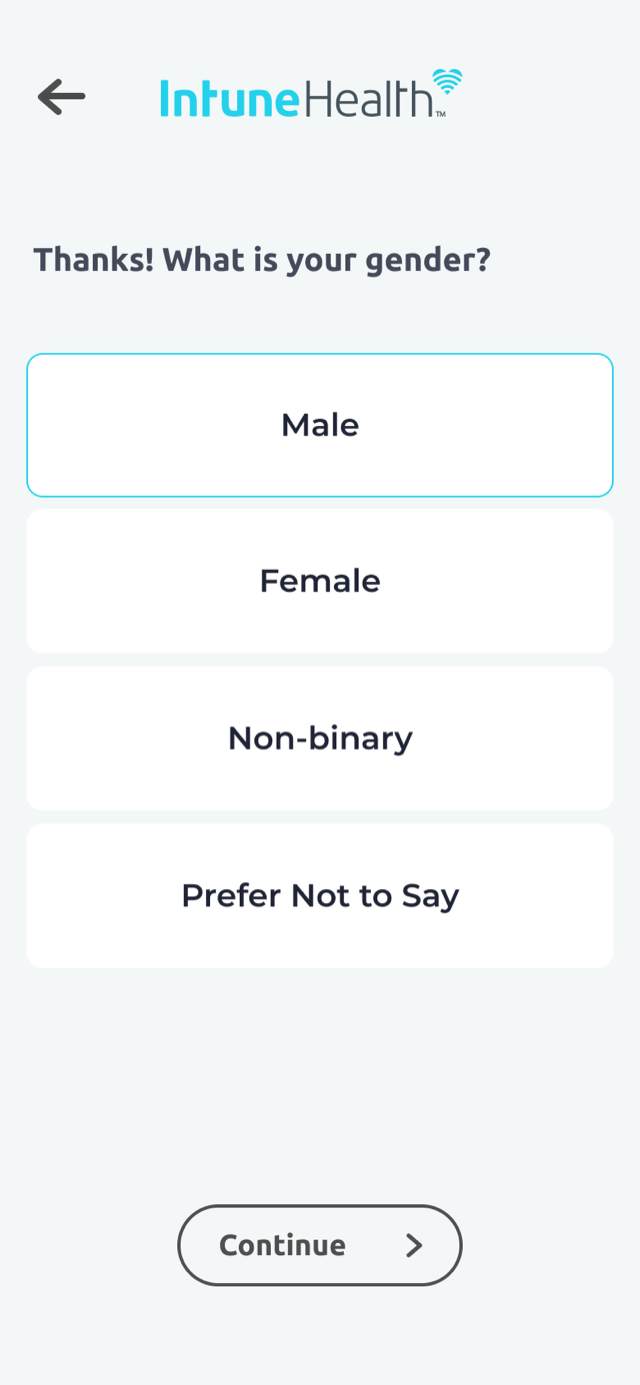
Designed for 70-year-old eyes
18px minimum type, 44px targets, AA contrast, and never color alone. Accessibility set the defaults, not the exceptions.
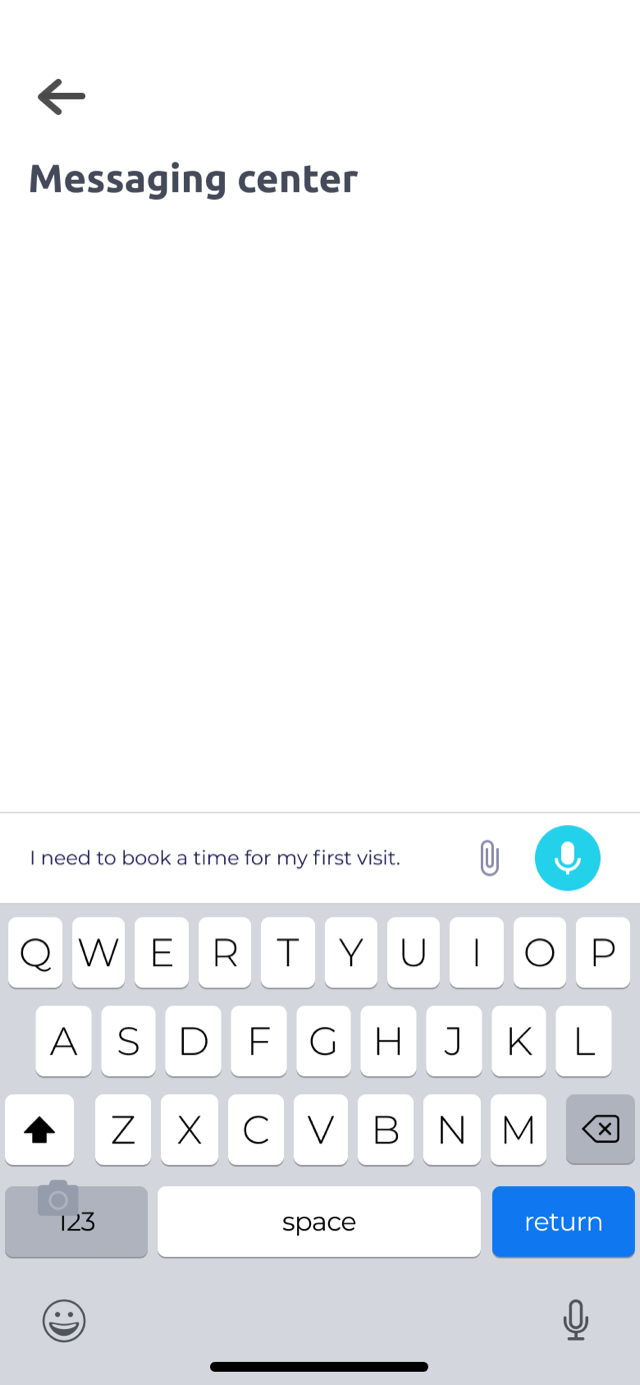
The care team is a person
Surfaced the named care team with presence and one-tap messaging. Reaching out felt like reaching a person, not filing a ticket.
Q1 2021 MEDALLIA SURVEY
CARE-MODEL OUTCOME
CARE-MODEL OUTCOME
Patient satisfaction is IntuneHealth's published rating from the Q1 2021 Medallia post-appointment survey, during this work's shipping window. The 35% and 51% are IntuneHealth's published care-model outcomes (risk-adjusted, ChenMed 2019 claims data); the experience I helped design became the engagement layer behind that model at launch.
The biggest insight was that a great care model needs great experience design across surfaces, not just a good app. Every touchpoint I removed made the next decision clearer for someone managing a serious condition. If I returned, I'd push further on proactive, care-team-initiated nudges and expand the pre-visit prep flow.
Nelo
Post-loss coordination app for families navigating logistics after a loss.